Low libido, or a decrease in sexual desire, is a common experience for both women and men at some point in their lives. The NHS, the UK's national health service, emphasizes that sexual desire varies greatly from person to person and that there is no "normal" level. However, if a decrease in desire is bothering you or your relationship, understanding the cause is the first step toward finding a solution.
Common causes
1. Relationship problems
According to the NHS, relationship problems are among the most common causes of low sexual desire:
- Over-familiarity and monotony in long-term relationships
- Unresolved conflicts and frequent arguments
- Poor communication and trust issues
- Reduced sexual attraction
2. Stress, anxiety, and depression
A demanding work schedule, financial worries, and depression can significantly reduce sexual desire. If you experience symptoms of depression (persistent sadness, hopelessness, or loss of interest in things you once enjoyed), be sure to see a doctor.
3. Sexual function problems
Erectile dysfunction, premature ejaculation, vaginal dryness, or painful intercourse can make sex unpleasant and reduce desire.
4. Hormonal changes
- In women: Menopause, pregnancy, postpartum, and breastfeeding
- In men: Age-related decline in testosterone levels
- Certain hormonal contraceptives
5. Medications
Some blood pressure medications and antidepressants can reduce libido. Check the patient information leaflet for your medication, but do not stop taking it without consulting your doctor.
6. Chronic conditions
Long-term conditions such as heart disease, diabetes, hypothyroidism, and cancer, as well as their treatments, can affect sexual desire.
7. Alcohol and substance use
Prolonged heavy alcohol consumption reduces sexual desire.
What can be done to support sexual desire?
- Talk to your partner: Sharing expectations and feelings can reduce pressure.
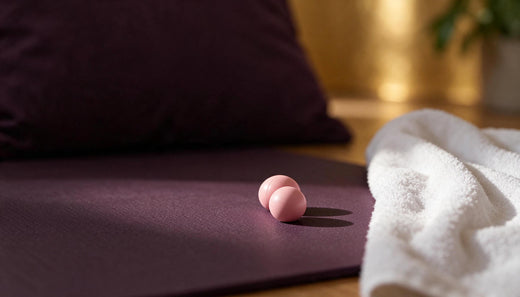
- Try new things together: Breaking the routine can rekindle desire. Toys for couples and fantasy products can be a fun way to get started.
- Prioritize sleep, exercise, and stress management.
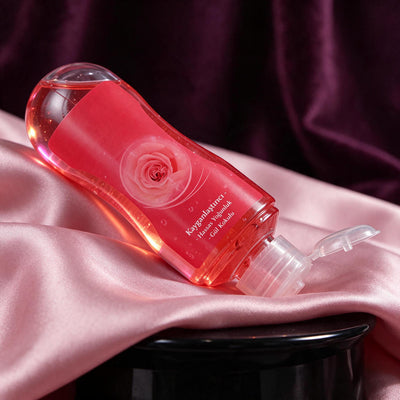
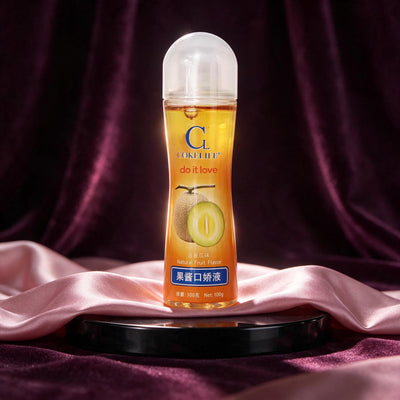
- If you have vaginal dryness, use a lubricant.
- Seek support: Couples therapy or psychosexual therapy can be very effective.
When should you see a doctor?
- If low desire has persisted for a long time and is bothering you
- If it appeared after starting a medication or contraceptive method
- If sexual desire has not returned for a long time after childbirth
- If you have symptoms of depression
Depending on the cause, your doctor may recommend a change in medication, hormone therapy (for example, during menopause), treatment for depression, or therapy.
Sources
- NHS. Loss of libido. nhs.uk
- NI Direct (an NHS-affiliated site). Loss of libido. nidirect.gov.uk
- NHS Inform. Loss of libido. nhsinform.scot
This content is for general information purposes only and is not a substitute for diagnosis or treatment. Consult your doctor about any health concerns.